Hair Mineral Analysis for Dogs and Cats: A Practical Guide
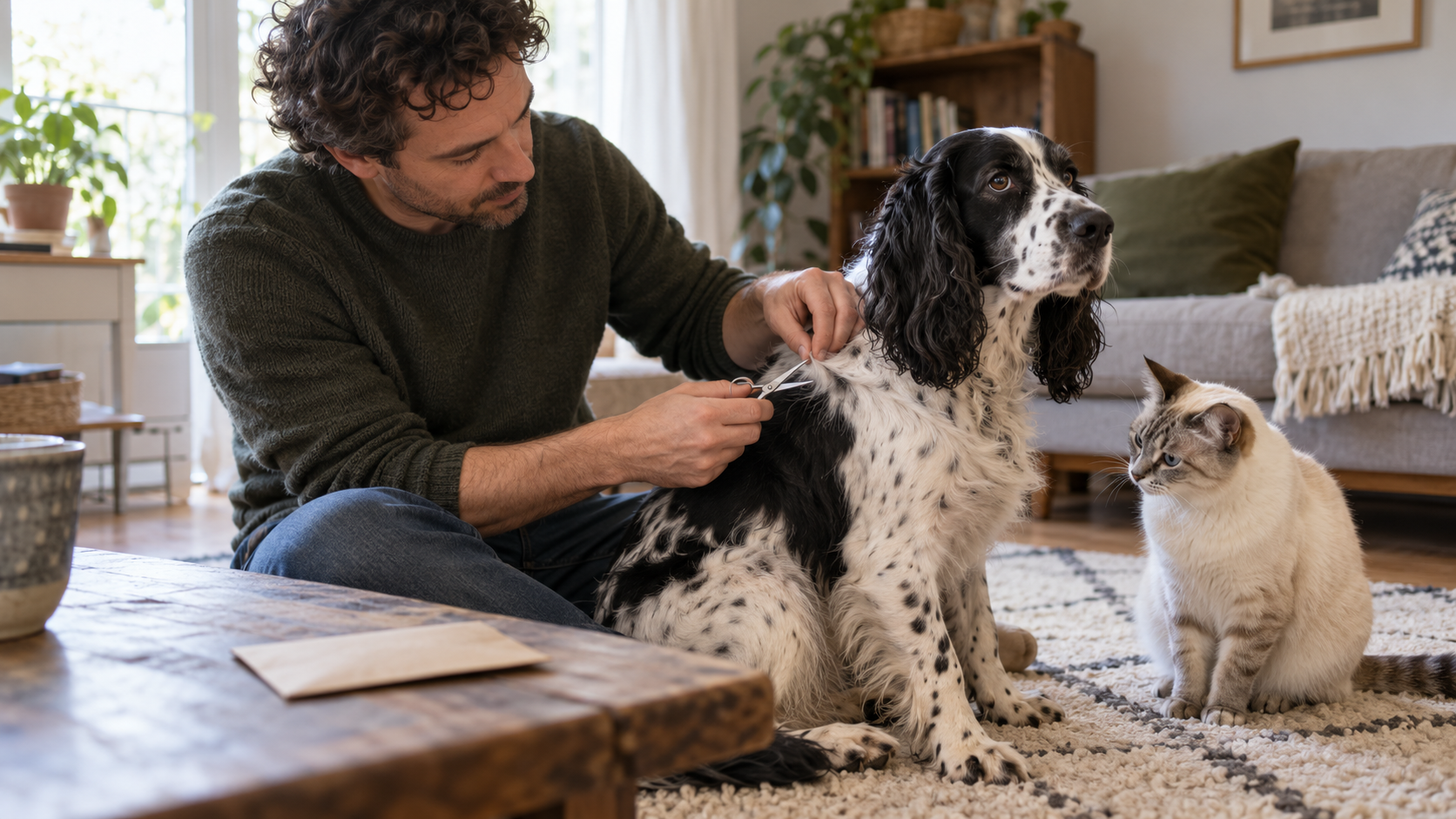
A hair mineral analysis for dogs and cats may look straightforward: collect some hair, send it to a laboratory and receive a report showing different elements.
In practice, however, the quality of the sample matters. Dirt, grooming products, environmental contamination and incorrect handling can all affect what is measured in the hair.
Understanding how to collect the sample is only half of the story. It is equally important to understand what the laboratory result actually represents — and what conclusions should not be drawn from it.
Here is how to prepare a hair sample correctly and interpret the results in context.
What does a hair mineral analysis for dogs and cats measure?
Hair can be analysed for concentrations of various minerals, trace elements and potentially toxic elements.
Depending on the laboratory, this might include elements such as zinc, copper, iron, selenium or magnesium.
As hair grows, some elements may become incorporated into its structure. However, hair also has constant contact with the outside world.
Dust, soil, water, shampoos and other substances can therefore potentially influence the sample.
This distinction matters.
A recent study investigating iron, zinc and copper in the hair of healthy dogs and cats found that animals living outdoors had significantly higher hair iron concentrations than animals kept indoors. The researchers also highlighted that data on mineral concentrations in companion-animal hair remain limited. PubMed
For that reason, hair results should not automatically be treated as a direct measurement of nutritional status.
Preparing hair mineral analysis for dogs and cats
Always begin with the instructions provided by the laboratory or test kit you are using.
Different analytical methods may require slightly different sample amounts or collection procedures.
The general aim is to collect enough hair while minimising contamination from substances that did not originate from the animal itself.
Choose an appropriate sampling area
Select an area with sufficient clean, untreated coat.
For dogs, the shoulder or side of the body may be practical depending on coat type. For cats, choose an unobtrusive area where removing a small amount of hair will not be noticeable.
If your test kit specifies a particular sampling site, follow those instructions.
Cut rather than pull when instructed
If the laboratory requires clipped hair, cut the sample as close to the skin as practical.
Hair roots are not necessarily required for a hair mineral analysis for dogs and cats, and pulling hairs out may simply make the process uncomfortable for the animal.
Again, laboratory instructions take priority.
Collect enough hair
A handful of individual hairs will often not provide sufficient material.
The exact required quantity depends on the laboratory and analytical method.
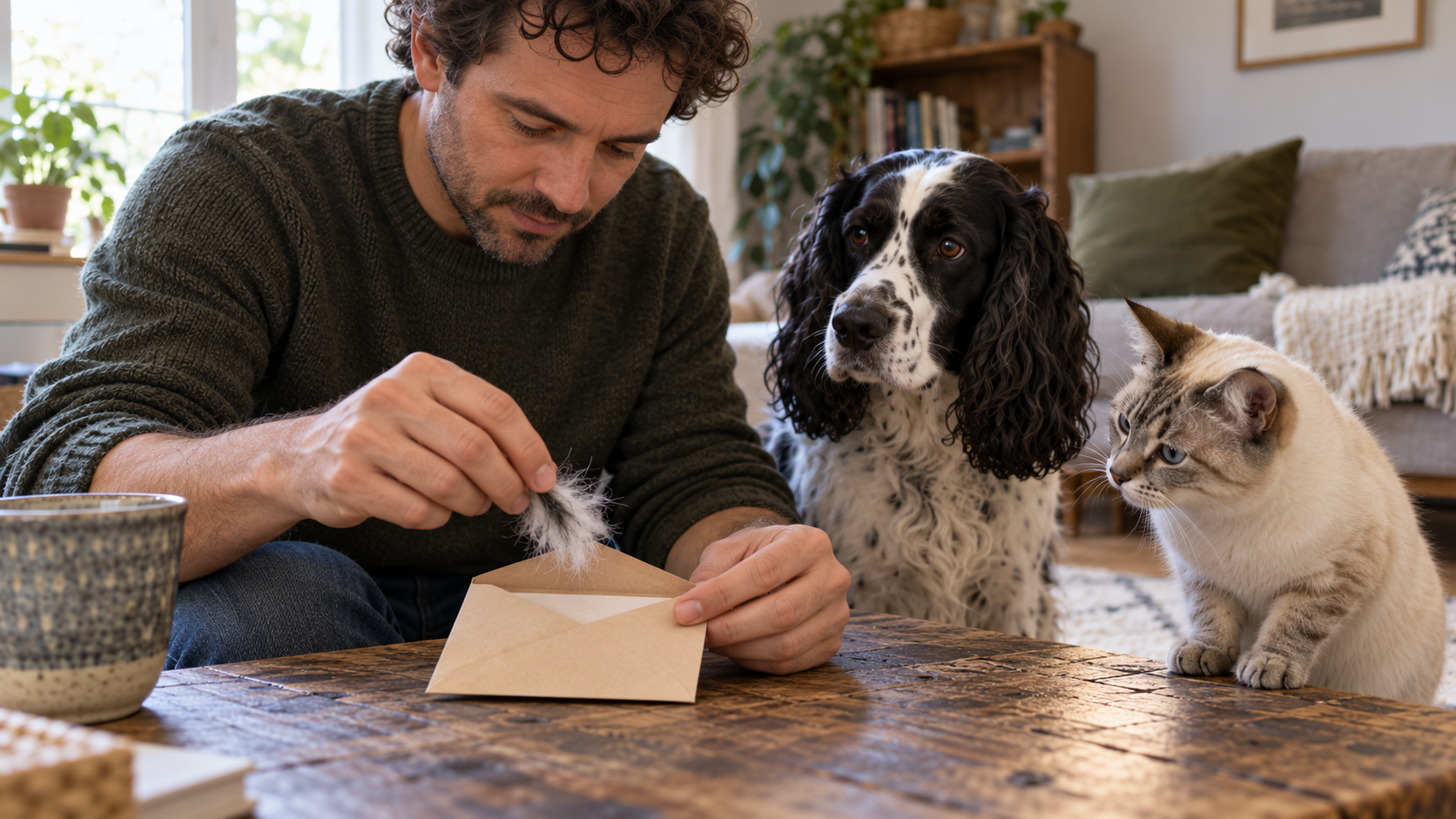
Use the sample envelope or quantity guide supplied with the kit rather than estimating.
Should the coat be washed first?
Avoid shampooing or applying conditioners, grooming sprays or coat oils immediately before sampling unless your laboratory specifically asks you to do so.
Such products can leave residues on the hair.
At the same time, heavily soiled fur is not ideal either. Soil and dust may contain elements that can complicate interpretation.
A practical approach is to choose a time when the coat is naturally clean, fully dry and has not recently been treated with grooming products.
Common sample collection mistakes
Good laboratory testing cannot completely compensate for a poor sample.
Some common problems include:
Sampling freshly groomed hair
Shampoos and other grooming products can leave compounds on the surface of the hair.
Using visibly dirty coat
Outdoor dirt, dust and soil can introduce material that did not originate inside the animal's body.
Mixing hair from different pets
In multi-pet households, make sure that all hairs in the envelope genuinely came from the animal being tested.
Sending too little material
Insufficient hair may make certain measurements impossible or require another sample.
Using unsuitable packaging
Use the clean sample container provided with the test whenever possible.
Veterinary diagnostic guidance generally emphasises appropriate containers, clear identification and prevention of cross-contamination when collecting samples for laboratory analysis. Merck Veterinary Manual
Understanding the results
A hair mineral analysis for dogs and cats tells you how much of a measured element was detected in the submitted hair sample.
It does not necessarily tell you why that concentration is high or low.
Hair concentrations can potentially be influenced by multiple factors, including:
diet,
environment,
external contamination,
individual metabolism,
hair growth,
coat characteristics,
sampling location,
laboratory methodology.
This is why context matters so much.
A low concentration on a report should not automatically be translated into “my pet is deficient”, just as an elevated value should not automatically be interpreted as poisoning.
Looking beyond the reference range
Reports often make abnormal values visually prominent.
That can make it tempting to focus solely on anything highlighted in red.
Instead, ask broader questions:
What does the dog or cat currently eat?
Does the diet include supplements?
How long has the current diet been fed?
Does the animal have any diagnosed health conditions?
Are there symptoms?
Is the animal mainly indoors or outdoors?
Could there be a relevant environmental exposure?
Was the sample collected according to instructions?
These details are often essential to meaningful interpretation.
Hair testing is not a stand-alone poisoning test
This distinction is particularly important when toxic elements are included in the report.
If poisoning is genuinely suspected, veterinary assessment should not be delayed while waiting for a hair result.
Veterinary toxicology relies on history, clinical signs and appropriate targeted laboratory testing. Depending on the suspected substance, blood, urine, tissues, gastrointestinal contents, feed, water or environmental samples may be more appropriate. Merck Veterinary Manual
There is also no single laboratory test that can reliably screen for every possible toxin. Testing should instead be guided by the suspected exposure and clinical findings. Merck Veterinary Manual
Combining hair results with nutritional information
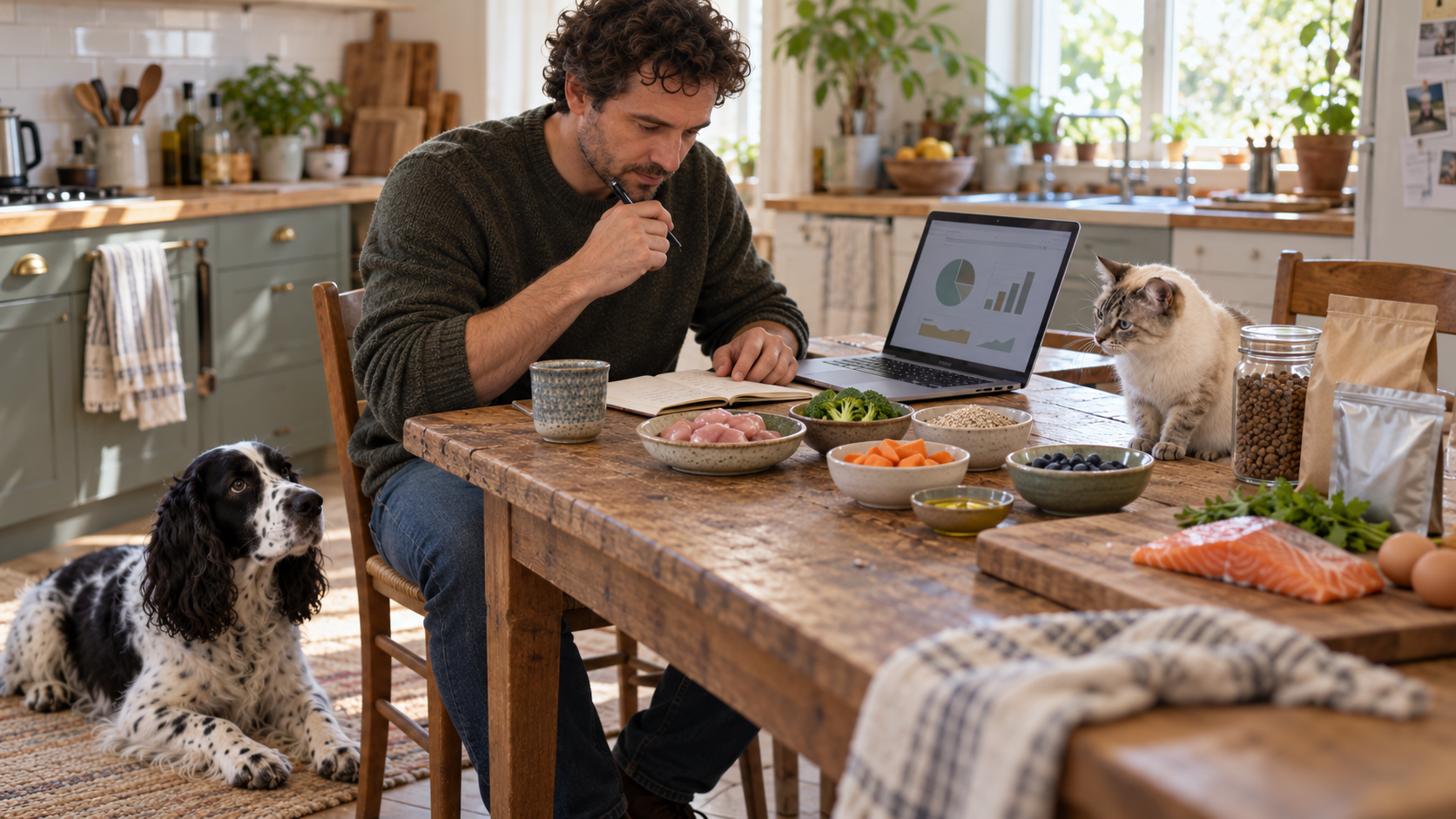
Hair analysis becomes more informative when it is viewed alongside the animal's actual diet rather than on its own.
For example, a detailed ration assessment can show approximately how much of individual minerals and trace elements the animal receives from food and supplements.
That information can then be considered together with:
the hair results, feeding history, lifestyle and any relevant veterinary findings.
This broader approach reduces the risk of reacting to a single laboratory value without understanding the bigger picture. To combine this perspective with a plan for everyday feeding, explore hair analysis and a personalised feeding plan.
When should you contact your veterinarian?
A hair test should never replace veterinary diagnostics.
If your pet is experiencing persistent vomiting, diarrhoea, unexplained weight loss, neurological changes, significant lethargy, skin problems or other concerning symptoms, arrange a veterinary examination.
The same applies whenever poisoning is suspected.
In an acute situation, waiting for a hair analysis can delay appropriate diagnosis and treatment.
Conclusion
A hair mineral analysis for dogs and cats begins with careful sample collection.
Clean, dry, untreated hair, sufficient sample material and proper packaging help minimise avoidable sources of error. Following the specific laboratory instructions is therefore one of the most important parts of the process.
The report itself should then be interpreted with the same care. Hair concentrations can provide additional information, but an isolated result does not automatically prove a nutritional deficiency, disease or toxic exposure.
Aniveri's hair analysis is designed to provide an additional perspective on the mineral and trace-element profile found in your pet's hair. When the results are considered together with feeding and lifestyle information, they can help create a more complete picture of your dog or cat's individual situation.